
Every business, no matter how positive its culture, will face employee concerns from time to time. How those concerns are managed can make the difference between a quick resolution and a costly, time-consuming dispute. Handling grievances well protects both your people and your business – but getting it wrong is easier than many employers realise.
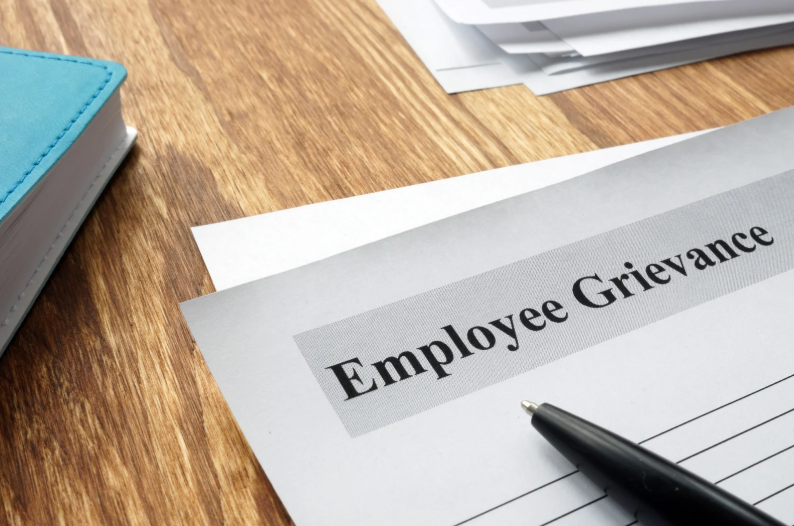
Why Grievances Matter
A grievance is an employee’s way of raising a problem or complaint about their work, their manager, or their working environment. It could involve treatment from a colleague, a disagreement about duties, or something as serious as harassment or discrimination. The way you respond sets the tone for how employees view your fairness, professionalism, and commitment to their wellbeing.
Ignoring or mishandling grievances can lead to a breakdown of trust, low morale, or even legal claims. By contrast, following a fair, consistent process can turn a tense situation into an opportunity to learn and strengthen your workplace culture.
Common Mistakes Employers Make
- Ignoring issues or delaying action
Many grievances start small. Left unchecked, they grow. Delays can make employees feel unheard and escalate what might have been resolved with an early conversation. Always acknowledge concerns promptly and explain the next steps.
- Failing to follow your own procedure
A grievance policy is only effective if it’s actually followed. Skipping stages, such as investigations or meetings, can leave you open to challenge later. It’s essential to apply your process consistently, even if you think the issue is straightforward.
- Poor documentation
In any grievance case, clear notes and written correspondence are your best protection. Without records of what was discussed, agreed, and decided, it becomes difficult to show that the process was fair and reasonable.
- Lack of impartiality
Investigations and meetings must be handled by someone who can remain neutral. In smaller businesses, this can be challenging, but fairness and objectivity are vital. Where possible, involve someone not directly connected to the issue.
- Treating grievances as a nuisance
When employees feel dismissed or punished for raising concerns, it damages trust and may lead to further complaints. A well-handled grievance shows your team that their voice matters and that your business takes issues seriously.

Handling Grievances the Right Way
The best way to manage grievances is to be proactive. Encourage open communication so employees feel comfortable raising issues early. If a formal complaint is made, follow your written policy step by step: acknowledge receipt, investigate thoroughly, hold a meeting, confirm the outcome in writing, and allow an appeal if needed.
Clarity, consistency, and compassion are the cornerstones of a fair process. Even if an employee doesn’t agree with the outcome, they’re far more likely to respect it when they’ve been listened to and treated fairly.

Support from HR Chest
Grievances can be sensitive, but you don’t have to navigate them alone. HR Chest offers practical tools to help you manage every stage confidently, including grievance policy templates, investigation checklists, and letters you can adapt for your business.
With the right guidance, what starts as a challenge can become a moment of positive change for your organisation.