How HR Onboarding Improves Productivity from Day One

How HR Onboarding Improves Productivity from Day One

The first few days in a new role shape an employee’s entire experience of your organisation. A strong HR onboarding process helps new starters understand how work actually gets done, reduces early mistakes and gives managers the chance to guide performance from the moment someone arrives. When done well, onboarding becomes more than a simple introduction. It becomes the bridge between recruitment and long-term success, giving employees clarity, confidence and connection from day one.


Why Employee Inductions Matter

Many organisations underestimate the cost of a slow or uncertain start. When induction is rushed or unclear, managers spend extra time answering questions, colleagues repeat work that has already been done, and new employees can feel unsure about priorities. This is especially noticeable in smaller businesses where every role has a direct impact on productivity. Clear employee inductions prevent these issues by making expectations visible, establishing structure and giving new starters the reassurance that they are already adding value.

A thoughtful induction also reduces early turnover. When people feel supported and understand what is expected, they settle more quickly and gain a sense of belonging much sooner. This creates a smoother transition into the role and reduces the strain on the wider team.

correct HR onboarding leading to happy employees


A Human Resource Induction That Starts Early

Successful human resource induction begins before the employee steps through the door. A warm welcome message that outlines what to expect during the first week sets a positive tone and helps remove the uncertainty that often surrounds a new job. Sharing reading materials, simple culture notes and essential system access in advance reduces the usual day one overwhelm. Even a very small introductory task such as reading a case study or preparing a short note helps the new starter feel more involved and more confident.

On the first day itself, a simple and steady plan makes a significant difference. Introductions, essential admin, a short role briefing, a demonstration of key systems and a small achievable task help the new employee build confidence. Allowing time for informal conversations or a team lunch supports relationship building, which is a core part of feeling settled in a new environment.

Handshake


Practical HR Inductions That Support Early Performance

Human resource professionals can transform early performance by breaking training into manageable stages. Instead of overwhelming new starters with long policies and back-to-back sessions, essential documents such as IT, conduct and safety guidance can be shared early while more detailed information is spread across the first few weeks. Checklists, practical examples and short conversations help reinforce what matters most.

Clear expectations are also essential. Job descriptions are rarely specific enough to guide someone through their first few weeks, so turning them into simple expectations for the first thirty, sixty and ninety days offers direction and reduces uncertainty. This might include completing a defined task independently, managing a small number of customer interactions or understanding a key process. Early goals make probation reviews fair, supportive and evidence based.

Managers also play a central role in effective onboarding. Daily check ins during the first week, weekly one to one meetings and a steady flow of feedback help maintain momentum. Even simple questions such as asking what support the employee needs or discussing what went well each day create confidence and clarity. A buddy system can also support settling in, offering an informal point of contact for practical questions that new starters may hesitate to ask a manager.


Strengthening HR Onboarding Through Measurement

Onboarding becomes even more effective when organisations measure how well it works. Useful indicators include the time it takes for a new starter to complete their first key task, retention at thirty and ninety days and short surveys to understand how supported the employee feels. These signals help HR refine the process and identify any weaknesses. When onboarding is continually improved it becomes a reliable and repeatable system that supports every new employee who joins.

Relieved employee after correct onboarding


How EC Human Resources Can Support You

EC Human Resources provides practical templates, manager briefing packs and structured thirty sixty and ninety day plans to help businesses introduce an onboarding process that truly works. This includes induction audits, KPI development and manager coaching to strengthen consistency and clarity. With a well-designed onboarding process your new starters can contribute more quickly, feel more settled and bring long term value from their very first day.


How to Hold a Supportive Menopause Welfare Chat

How to Hold a Supportive Menopause Welfare Chat

October is Menopause Awareness Month, making it the perfect time to check how your organisation supports employees through this natural stage of life. Women aged between 50 and 64 are now the fastest growing workplace demographic, yet many still feel their needs are overlooked. Research shows that eight in ten menopausal women say their workplace lacks basic support, and almost half who experience difficult symptoms have left work by the age of 55. A simple, compassionate conversation can make all the difference.


Creating a safe space

Talking about the menopause at work is becoming more open, helped by awareness campaigns and high-profile advocates. Even so, some people still find it difficult to discuss. They might feel uncomfortable speaking with a younger or male manager, or worry about how their colleagues could react. Employers can ease this by normalising the discussion, showing empathy, and making clear that any conversation will be treated in confidence and focused on support rather than judgement.

Woman dealing with menopause


Preparing for the chat

A menopause welfare meeting is an informal opportunity to understand how an employee is feeling and what adjustments might help. Managers should refresh any training they have had, review their organisation’s menopause policy, and familiarise themselves with the legal context to ensure the conversation is handled with care. Choose a private, quiet space and allow enough time so the employee feels unhurried. It can help to prepare a simple action plan template in advance to guide the discussion and record outcomes.


Listening with empathy

During the meeting, the most valuable skill a manager can show is active listening. Maintain eye contact, nod, and give the employee space to speak. Avoid comparing experiences or making assumptions. Instead of saying “You’ll be fine,” try “That sounds like a lot to deal with.” Ask gentle questions about how symptoms affect their work and what practical support would make a difference. This might include flexible working, adjustments to uniform, or better ventilation.

Woman using fan due to menopause


Following up

After the discussion, confirm what was agreed and keep in touch. The aim is to provide ongoing support, reviewing any changes and making further adjustments if needed. The menopause is not a one-time event, and regular check-ins show genuine care.


Making the conversation count

By holding open, respectful menopause chats, employers can retain valuable experience and strengthen workplace wellbeing. A supportive approach helps employees stay confident and productive while showing that your organisation values every stage of life.

You’ll find menopause guidance inside HR Chest, giving you everything you need to start these important conversations with confidence.

End of Year Reviews: Why You Can’t Afford to Skip Them

End of Year Reviews: Why You Can’t Afford to Skip Them

As the year draws to a close, many businesses are focused on finishing projects, hitting final targets, and planning for the year ahead. It’s a busy time, and one of the first things that often slips down the list is the end of year review. Yet this simple, structured conversation can have one of the biggest impacts on performance, engagement, and retention in the months that follow.


Why Reviews Matter

Performance reviews are not just about measuring results. They’re an opportunity to reflect, recognise, and realign. They give employees a chance to look back on their achievements, discuss challenges, and set clear goals for the future. For employers, they provide valuable insight into what’s working, where support is needed, and how the business can grow through its people.

When reviews are skipped, employees can feel overlooked or uncertain about expectations. Motivation dips, small frustrations build, and valuable feedback is lost. A consistent review process helps employees feel heard and valued, which in turn boosts productivity and loyalty.

person doing their end of year reviews


The “No Time” Myth

One of the most common reasons employers give for not doing reviews is time. But the truth is, not doing them costs more time in the long run. Without regular feedback and clear objectives, performance issues are missed, disengagement grows, and problems take longer to resolve. Investing a short amount of time in meaningful one-to-one discussions now can prevent far bigger issues later.

A well-structured review doesn’t need to be complicated or lengthy. Even a half-hour conversation can make a difference if it focuses on recognition, growth, and clear next steps.


How to Get the Most from Reviews

Approach reviews as a two-way discussion rather than a formality. Ask open questions about what your team member is most proud of, what challenges they’ve faced, and what support they need. Keep the focus on development and the year ahead.

Follow up after the meeting to confirm agreed goals and actions. This shows accountability and ensures progress is tracked, rather than forgotten once the meeting ends.

Relaxed Employer


Support from HR Chest

If you’re not sure where to start, HR Chest has everything you need to make end of year reviews straightforward and valuable. You’ll find performance review forms, appraisal templates, and guidance to help you structure the conversation and record outcomes clearly.

These resources are designed to save time while keeping your process consistent, fair, and effective – so you can focus on what really matters: developing your people and setting your business up for success in the new year.

Take the time to review now, and you’ll start January with a motivated, aligned team that’s ready to perform.

Explore Performance and Appraisal Resources on HR Chest

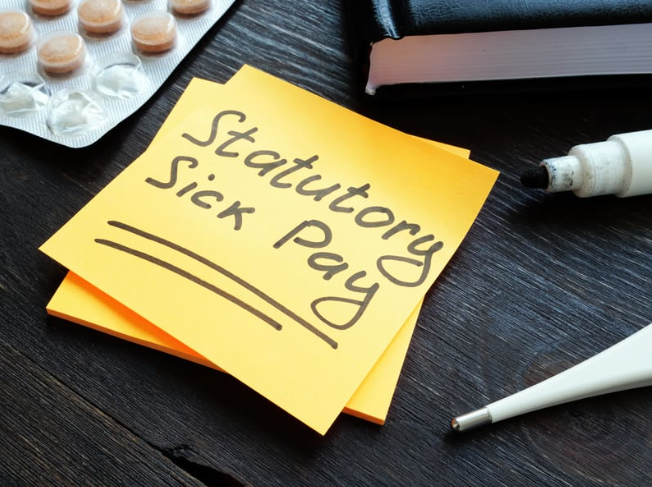
Statutory Sick Pay Changes Coming in April 2026

Statutory Sick Pay Changes Coming in April 2026

The new tax year is set to bring some of the most significant changes to Statutory Sick Pay (SSP) in over a decade. From April 2026, the way employers manage and pay SSP will shift, with the introduction of day-one entitlement and a move towards more inclusive eligibility rules. While the new SSP rate for 2026/27 has not yet been confirmed, businesses should begin preparing now to make sure they are ready for the transition.


SSP Payable from Day One

Currently, SSP is only paid from the fourth qualifying day of absence, meaning employees receive no pay for the first three days they are off sick. From 6 April 2026, this will change. Employees will become entitled to SSP from the very first day of sickness absence, removing the traditional “waiting days” entirely.

The government’s aim is to make sick pay fairer and to ensure employees are not left without income during the initial days of illness. For employers, however, this will mean additional costs and a need to update internal systems, payroll processes, and policies. Businesses that rely heavily on casual or short-term workers may feel the impact most, as even short absences will now carry a financial cost

Woman taking time off statutory sick pay


Removing the Lower Earnings Limit

Another major change under discussion is the removal of the Lower Earnings Limit. At present, employees must earn a minimum weekly amount to qualify for SSP. If this threshold is abolished, SSP will become accessible to all employees regardless of how much they earn.

This change would be particularly beneficial for low-paid and part-time staff who currently miss out on SSP. However, it will also widen the scope of employer responsibility, increasing the number of people eligible to receive statutory sick pay. Payroll systems and HR procedures will need to adapt to handle this broader coverage.


Preparing for Financial and Administrative Impact

While the aim of these reforms is fairness, the financial and administrative impact on businesses will be noticeable. The combination of day-one pay and wider eligibility will naturally increase SSP costs. Employers should begin reviewing their budgets, forecasting how these changes may affect overall wage expenditure, especially in sectors where sickness absence levels are traditionally higher.

Contract wording will also need careful attention. If your employment contracts specify that no pay is due for the first three days of absence, this will need updating to reflect the new statutory requirements. Similarly, if you offer enhanced sick pay, review whether your policy remains appropriate once SSP begins from day one.

Man with a headache


Strengthening Absence Management

With costs likely to rise, effective absence management will become even more important. Employers should ensure that all absences are accurately recorded, including dates, reasons, and supporting documentation. Consistent record keeping not only supports compliance but also helps identify patterns or issues that may require intervention.

Return-to-work meetings are a valuable part of this process. They provide an opportunity to check on an employee’s wellbeing, clarify any adjustments needed for their return, and spot recurring themes that may point to underlying causes of absence.

Regular analysis of absence data can also reveal important trends, such as departments with higher sickness levels or employees with frequent short-term absences. This insight allows employers to take proactive steps to reduce absence, such as improving working conditions, reviewing workloads, or introducing wellbeing initiatives.


What Employers Should Do Now

Even though the new SSP rate has not yet been announced, the core reforms are confirmed, and preparation should start early. Employers should:

  • Review their payroll systems to ensure they can handle SSP payments from day one.
  • Check that contract and policy wording reflects the upcoming changes.
  • Brief managers and HR teams on the new rules to ensure consistency in how absences are handled.
  • Start forecasting potential cost increases linked to wider SSP eligibility.

The key is not to wait until April to act. Businesses that plan ahead will find the transition far smoother, with fewer last-minute changes and a clearer understanding of how the new rules affect their workforce.

Woman relieved after receiving statutory sick pay


Staying Ahead of Compliance

Keeping up with employment law changes is essential for compliance and employee trust. The new SSP reforms highlight the need for clear processes, accurate data, and well-informed teams. Employers who invest time in preparation now will be better placed to manage both the financial and operational aspects of these changes.

April 2026 will bring a new landscape for sick pay, one that’s fairer for employees but more demanding for employers. By staying informed, reviewing policies in advance, and ensuring payroll systems are ready, businesses can meet their obligations with confidence and continue to support their teams effectively.

Understanding PENP: The Tax Rule Employers Can’t Afford to Miss

Understanding PENP: The Tax Rule Employers Can’t Afford to Miss

When an employee leaves a business, settlement discussions can quickly become complex, especially when it comes to taxation. One of the most misunderstood areas of employment termination payments is PENP, or Post Employment Notice Pay.

Since 2018, HMRC has tightened the rules to ensure that payments covering notice periods are always subject to tax and national insurance. Yet many employers still assume that as long as a payment forms part of a settlement agreement, it falls within the £30,000 tax free allowance. Unfortunately, that is rarely the case.


What is PENP and Why Does It Matter?

PENP stands for Post Employment Notice Pay, which is the amount of pay an employee would have received had they worked their full notice period. Even if the employment ends immediately or by mutual agreement, HMRC treats that notional pay as taxable income.

Put simply, if an employee is paid in lieu of notice, that payment must be taxed. If they leave without working their notice, the equivalent value must still be calculated and taxed. PENP ensures that notice pay is taxed consistently, preventing it from being disguised as a non taxable termination payment.

People doing PENP properly


How to Calculate PENP

To work out how much of a termination payment counts as PENP, employers must use a statutory formula:

(BP × D) ÷ P – T

Where:

  • BP is the employee’s basic pay before termination (usually monthly salary)
  • D is the number of unserved notice days
  • P is the number of days in the last pay period
  • T is any taxable termination payments already made

This gives you the amount that should be taxed as employment income.

For example, if an employee’s monthly salary (BP) is £3,000, their pay period (P) is 30 days, and they have 15 unserved notice days (D), then:

PENP = (3,000 × 15) ÷ 30 = £1,500 taxable.

If part of the termination payment has already been taxed (T), this is deducted from the PENP total.

Man calculating PENP


Other Tax Considerations for Employers

It is not just PENP that needs attention when managing termination payments. Employers should also remember:

  • Notice pay is always taxable, even within a settlement
  • Payments for ongoing obligations such as confidentiality or non compete clauses are also taxable and subject to national insurance
  • The first £30,000 of compensation for loss of employment can be paid tax free, but only once PENP and other taxable elements are removed
  • Employer national insurance applies to payments above £30,000, though employees do not pay NI on settlement sums
  • Disability related payments can be tax free if they relate solely to a recognised injury or condition preventing the employee from working
  • Compensation for injury to feelings, such as in discrimination cases, can also be tax free, provided it is properly documented


Common Mistakes and How to Avoid Them

Misunderstanding PENP can lead to costly errors. If employers fail to apply the correct calculation, HMRC may later determine that part of the payment should have been taxed, leaving the employer liable for unpaid tax, NI, and possible penalties.

The safest approach is to check the tax treatment of each element in a settlement agreement and clearly set out what each payment represents. A well drafted agreement protects both the business and the employee from future disputes or unexpected liabilities.

Team of people high fiving


The Takeaway for Employers

The rules around termination payments can appear complicated, but the principle is clear. Anything that substitutes for notice pay is taxable. The £30,000 exemption only applies once PENP and other taxable elements are excluded.

By understanding and correctly applying the PENP calculation, employers can settle matters confidently, remain compliant, and avoid unpleasant surprises later on.

If you need support with settlement agreement drafting, handling, or PENP calculations, get in touch with ECHR for expert guidance and practical advice.