
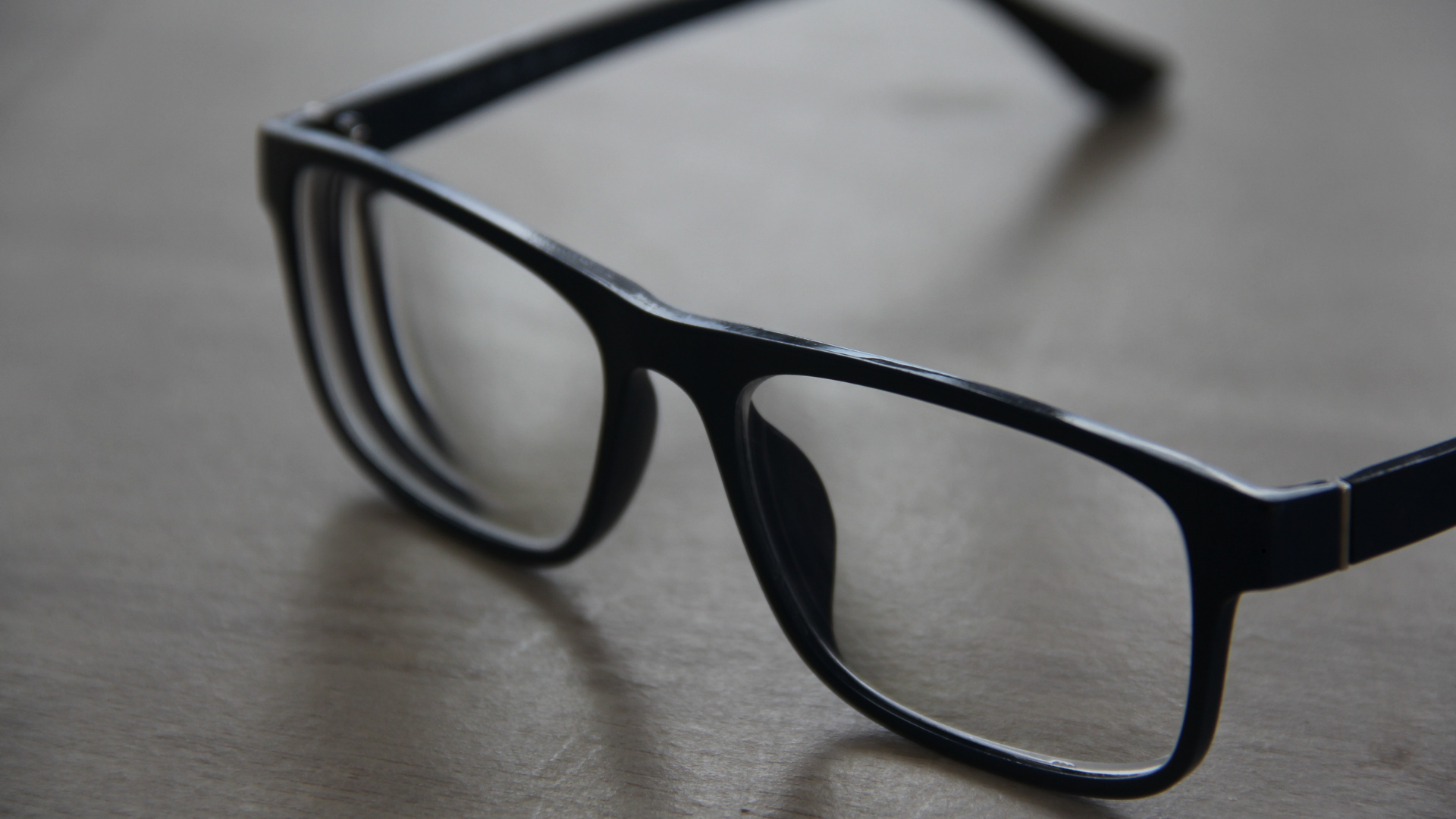
Smart glasses are becoming increasingly common. They can take photographs, record video and audio, respond to voice commands and, increasingly, use AI to interpret what the wearer is seeing. All very clever, but from an HR and workplace perspective, they also create a fairly obvious question: what happens when somebody walks into work wearing technology that could be recording the people around them?
This is not really a futuristic issue anymore. Camera enabled smart glasses are already prompting organisations to think carefully about where they should and should not be used, with concerns ranging from privacy and security to covert recording. In August 2026, UK cinemas began looking at restrictions around camera enabled smart glasses because of concerns about piracy and privacy. For employers, the same technology raises some very practical questions around HR, confidentiality and data protection.
A phone is obvious. Smart glasses may not be.
Most businesses already have some sort of rule covering mobile phones, photography or recording in the workplace, but smart glasses change the way that recording can happen. Someone holding up a phone during a meeting is fairly noticeable, whereas someone wearing a pair of glasses may not attract any attention at all.
Depending on the device, smart glasses may be able to capture video, photographs or audio while looking relatively ordinary. That creates potential problems involving employees, customers, confidential conversations, commercially sensitive information and personal data. Simply saying that an existing mobile phone policy covers the issue may no longer be enough when the technology can be worn throughout the working day without being particularly noticeable.

GDPR does not disappear because the camera is in a pair of glasses
The Information Commissioner's Office makes clear that data protection principles continue to apply as workplace monitoring technology changes. Its guidance already considers technologies including wearable cameras, body worn devices, webcams, screenshots, location tracking and audio recording, so although the technology may evolve, an employer's responsibilities around personal data remain.
If an employer introduces wearable technology that captures information about workers, it needs to consider the same fundamental points it would with any other form of workplace monitoring. Employers need to understand why the information is being collected, whether collecting it is genuinely necessary, whether there is a less intrusive way of achieving the same result, what lawful basis applies, who will have access to the information and how long it will be kept. Employees affected by the monitoring also need to be properly informed about what is happening and why.
For higher risk monitoring, employers may also need to carry out a Data Protection Impact Assessment. Even where one is not strictly required, carrying out an assessment can still be a useful way of identifying privacy risks and considering whether suitable safeguards are in place before introducing new technology into the workplace.
What if the employee brings their own smart glasses to work?
This is probably where things become even more interesting for SMEs, because an employer may have no intention whatsoever of introducing smart glasses into the business, but that does not stop an employee from buying a pair themselves and wearing them to work.
That leaves employers needing to think about what employees are allowed to record in the workplace, whether particular areas should be device free and how existing confidentiality, privacy and data protection policies apply. An employee could potentially wear camera enabled glasses during a disciplinary meeting, while viewing customer records or while working somewhere that sensitive financial, medical or employee information is visible.
They could also be having what appears to be an ordinary conversation with a colleague who has no idea that they may be recorded. At that point, the technology stops being an interesting new gadget and becomes a genuine HR issue involving privacy, confidentiality, trust and potentially personal data.
Employers therefore need clear rules around recording at work, regardless of whether the technology being used is a mobile phone, smart glasses or another wearable device. The important point is that employees understand when recording is permitted, when permission is needed and when using recording technology could result in further action.

It is not just about employees recording employers
There is another side to this because employees themselves may be recorded by customers, visitors, colleagues or managers using wearable technology. That can create concerns around privacy, dignity, confidentiality and workplace monitoring, particularly where employees may not immediately realise that a device is capable of recording them.
Where employers themselves use video or audio surveillance, they need to be clear about the purpose of that monitoring, consider whether it is necessary and proportionate, identify an appropriate lawful basis and make sure workers are properly informed about how the monitoring is being used. The fact that newer technology can make monitoring easier or less noticeable does not remove those responsibilities.
Employers should therefore be cautious about introducing smart glasses as a management, performance or productivity monitoring tool simply because the technology exists. The ability to collect information does not automatically mean that collecting it is necessary, proportionate or appropriate in the workplace.
There can also be very good reasons for using the technology
A complete ban may not always be the right approach because smart glasses and other wearable technology can have genuine workplace benefits. They may assist someone with a disability, provide hands free access to information, support training, improve safety in certain working environments or help employees carry out specialist tasks more effectively.
There has also been growing discussion around how smart glasses can assist some disabled users, including by helping people access information and navigate their surroundings more independently. Employers should therefore think carefully before introducing a blanket rule that simply says smart glasses are prohibited, particularly where an employee has a legitimate reason for using the technology.
If an employee uses wearable technology because of a disability, there may also be reasonable adjustment considerations. An employer may need to consider the employee's individual circumstances and whether appropriate restrictions can be introduced without removing the benefit that the technology provides. As is often the case with HR matters, the circumstances and reasons for using the device are important.
Your policies probably need to talk about more than phones
Many employee handbooks still talk about mobile phone use, cameras, recording and social media as though they are completely separate things, but technology is increasingly blurring those lines. A sensible workplace policy should therefore be broad enough to deal with recording devices, wearable technology and similar equipment generally, rather than naming one particular product that could be obsolete in a couple of years.
Employers should think about where recording is prohibited, when permission is required, how confidential information must be protected and what happens if somebody records colleagues, customers or workplace conversations without authority. It may also be sensible to identify areas where recording devices should not be used at all, particularly where confidential, commercially sensitive or personal information is routinely visible or discussed.
Data protection, confidentiality, IT, disciplinary and reasonable adjustment policies may all come into play, so it is important that these policies work together rather than contradicting each other. Employees should be able to understand what is acceptable, what requires permission and what could potentially result in disciplinary action.

Technology moves faster than the employee handbook
Businesses do not need to create a completely new HR policy every time somebody launches a new gadget, but they do need policies that are written broadly enough to cope with the way people actually work now and the way workplace technology continues to develop.
Five years ago, few SME employers were worrying about employees walking into a meeting wearing AI enabled glasses capable of recording what they could see and hear. Now it is something worth thinking about, and smart glasses will almost certainly not be the last piece of technology to create this type of workplace issue.
Wearable devices, AI tools and increasingly discreet recording technology are continuing to change the way information can be captured and used at work. Policies that focus too heavily on one particular device can therefore quickly become outdated, while broader rules around recording, monitoring, confidentiality and personal data can remain useful as technology changes.
Rather than asking whether your policies specifically mention smart glasses, it may be more useful to ask a broader question: if somebody introduced new recording, monitoring or AI enabled technology into your workplace tomorrow, would your current HR and data protection rules tell everyone what was and was not acceptable?
Employees should know when recording is prohibited and managers should know what to do if somebody arrives at a sensitive meeting wearing a recording device. Policies should also protect confidential and personal information while still allowing legitimate uses of technology, including reasonable adjustments where appropriate. If your current policies do not provide that clarity, it may be time for a review.
EC Human Resources can review and update your HR policies and employee handbook to make sure they reflect the way people actually work and keep pace with changing workplace technology. Get in touch if yours could do with an update.