
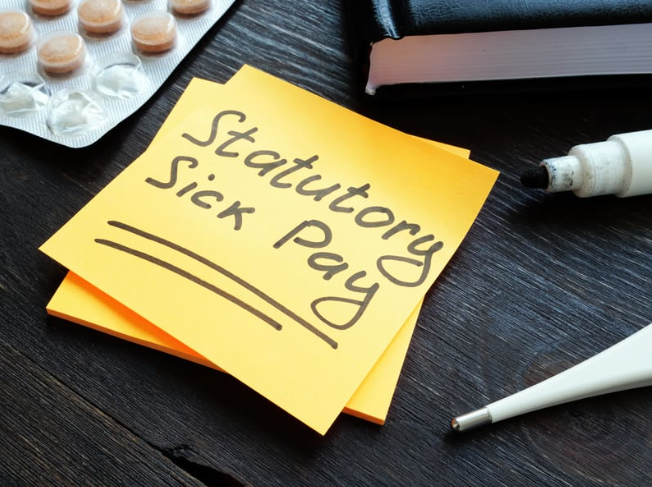
The new tax year is set to bring some of the most significant changes to Statutory Sick Pay (SSP) in over a decade. From April 2026, the way employers manage and pay SSP will shift, with the introduction of day-one entitlement and a move towards more inclusive eligibility rules. While the new SSP rate for 2026/27 has not yet been confirmed, businesses should begin preparing now to make sure they are ready for the transition.
SSP Payable from Day One
Currently, SSP is only paid from the fourth qualifying day of absence, meaning employees receive no pay for the first three days they are off sick. From 6 April 2026, this will change. Employees will become entitled to SSP from the very first day of sickness absence, removing the traditional “waiting days” entirely.
The government’s aim is to make sick pay fairer and to ensure employees are not left without income during the initial days of illness. For employers, however, this will mean additional costs and a need to update internal systems, payroll processes, and policies. Businesses that rely heavily on casual or short-term workers may feel the impact most, as even short absences will now carry a financial cost

Removing the Lower Earnings Limit
Another major change under discussion is the removal of the Lower Earnings Limit. At present, employees must earn a minimum weekly amount to qualify for SSP. If this threshold is abolished, SSP will become accessible to all employees regardless of how much they earn.
This change would be particularly beneficial for low-paid and part-time staff who currently miss out on SSP. However, it will also widen the scope of employer responsibility, increasing the number of people eligible to receive statutory sick pay. Payroll systems and HR procedures will need to adapt to handle this broader coverage.
Preparing for Financial and Administrative Impact
While the aim of these reforms is fairness, the financial and administrative impact on businesses will be noticeable. The combination of day-one pay and wider eligibility will naturally increase SSP costs. Employers should begin reviewing their budgets, forecasting how these changes may affect overall wage expenditure, especially in sectors where sickness absence levels are traditionally higher.
Contract wording will also need careful attention. If your employment contracts specify that no pay is due for the first three days of absence, this will need updating to reflect the new statutory requirements. Similarly, if you offer enhanced sick pay, review whether your policy remains appropriate once SSP begins from day one.

Strengthening Absence Management
With costs likely to rise, effective absence management will become even more important. Employers should ensure that all absences are accurately recorded, including dates, reasons, and supporting documentation. Consistent record keeping not only supports compliance but also helps identify patterns or issues that may require intervention.
Return-to-work meetings are a valuable part of this process. They provide an opportunity to check on an employee’s wellbeing, clarify any adjustments needed for their return, and spot recurring themes that may point to underlying causes of absence.
Regular analysis of absence data can also reveal important trends, such as departments with higher sickness levels or employees with frequent short-term absences. This insight allows employers to take proactive steps to reduce absence, such as improving working conditions, reviewing workloads, or introducing wellbeing initiatives.
What Employers Should Do Now
Even though the new SSP rate has not yet been announced, the core reforms are confirmed, and preparation should start early. Employers should:
- Review their payroll systems to ensure they can handle SSP payments from day one.
- Check that contract and policy wording reflects the upcoming changes.
- Brief managers and HR teams on the new rules to ensure consistency in how absences are handled.
- Start forecasting potential cost increases linked to wider SSP eligibility.
The key is not to wait until April to act. Businesses that plan ahead will find the transition far smoother, with fewer last-minute changes and a clearer understanding of how the new rules affect their workforce.

Staying Ahead of Compliance
Keeping up with employment law changes is essential for compliance and employee trust. The new SSP reforms highlight the need for clear processes, accurate data, and well-informed teams. Employers who invest time in preparation now will be better placed to manage both the financial and operational aspects of these changes.
April 2026 will bring a new landscape for sick pay, one that’s fairer for employees but more demanding for employers. By staying informed, reviewing policies in advance, and ensuring payroll systems are ready, businesses can meet their obligations with confidence and continue to support their teams effectively.